Serving Hesperia, CA and surrounding areas. (760) 456-4930
Hesperia Concrete is a licensed concrete contractor serving Ontario, CA with concrete floor installation, driveway construction, patio slabs, and flatwork. We have served the Inland Empire since 2024, pull all City of Ontario permits on every job, and provide written quotes before any work begins.
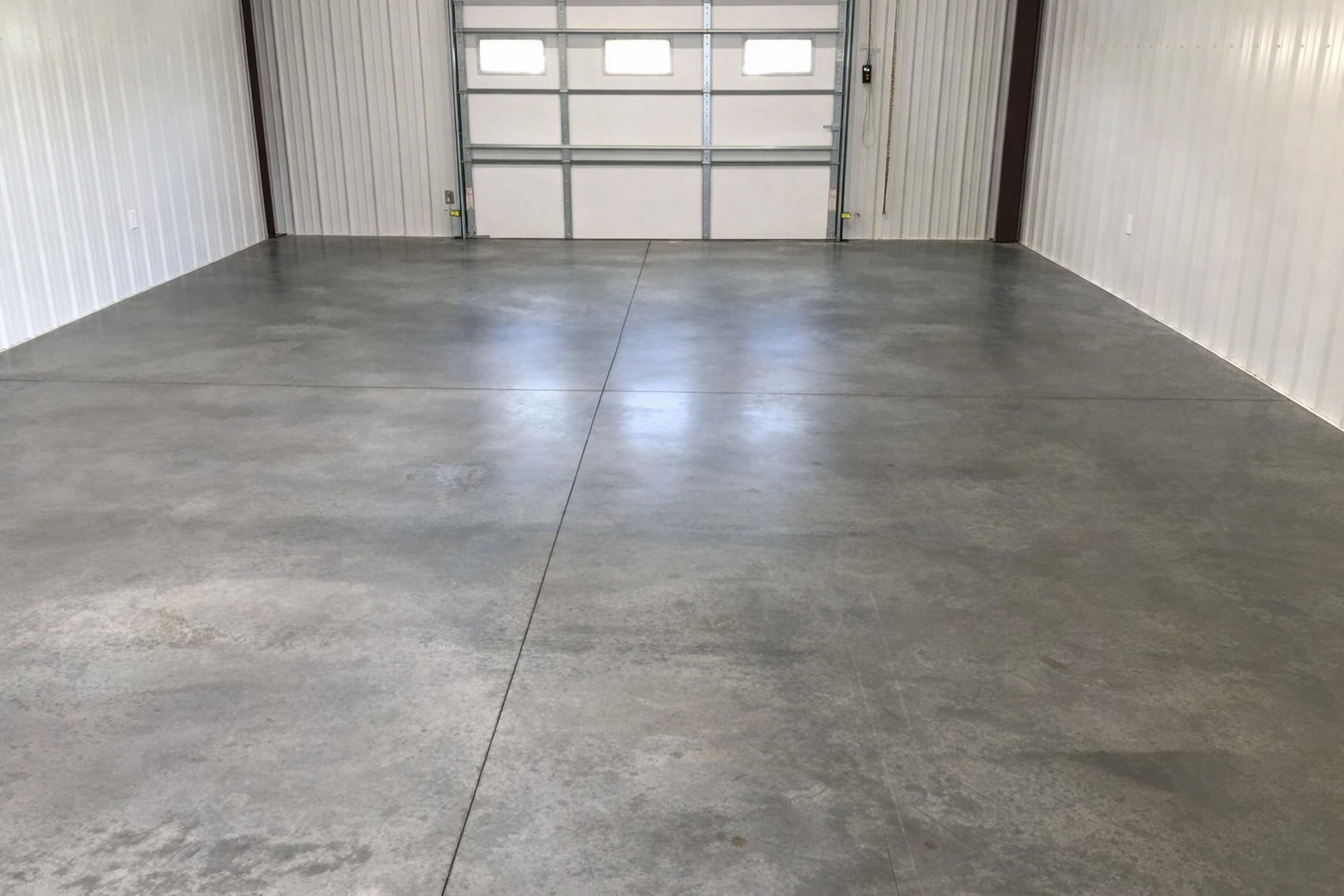
Ontario has a wide mix of housing ages, and garage floors in the city range from original 1940s slabs near downtown to 1990s-era pours in the newer subdivisions on the south and east sides. Older slabs near the Euclid Avenue neighborhoods often show hollow spots, widespread cracking, and surfaces that have never been sealed - conditions where replacement beats repair. Newer slabs may only need grinding, sealing, or targeted section work. Full details on thickness, finishes, and what to expect are on our concrete floor installation page.
Ontario's 1960s and 1970s ranch homes are one of the most common requests we get in the city - those driveways are 40 to 60 years old and the original concrete was poured before modern base-compaction and control joint standards were widely followed. Clay soil movement has done the rest. A properly prepared replacement gives homeowners 30 or more years before the next conversation about the driveway.
Ontario summers regularly exceed 100 degrees Fahrenheit, which means outdoor living space gets used from spring through late fall. A concrete patio handles the heat, the occasional winter frost, and the clay soil movement that causes pavers to shift and wood decking to warp in this climate. Stamped and stained finishes are popular on newer homes in the southern and eastern subdivisions where homeowners want something more than plain gray.
Ontario homeowners adding ADUs, detached garages, or workshop spaces need a properly engineered concrete slab as the starting point. With Ontario's clay soils that expand when wet and shrink when dry, base preparation and drainage slope are as important as the thickness of the pour - and both need to be designed before the first shovel goes in the ground.
Older homes near downtown Ontario and the Euclid Avenue neighborhoods often have original concrete steps that have lifted, cracked, or settled unevenly over decades of clay soil movement. Cracked or raised steps are a trip hazard and a code issue during home sales. We build new steps that are properly anchored to the existing structure and tied into the surrounding flatwork.
Properties in Ontario with split-level yards or sloped lots near the city's older neighborhoods need retaining walls that can hold against clay soil pressure after heavy winter rains. Concrete retaining walls outperform timber and stacked block in this climate - they do not rot, they resist lateral pressure better, and they last two to three times longer with minimal upkeep.
Ontario has an unusually wide range of housing ages for a single city. Homes near downtown and Euclid Avenue were built in the 1920s through 1950s - Craftsman bungalows, Spanish Colonial Revival houses, and simple wood-frame structures where the original concrete work, if any was installed at all, has long since exceeded its useful service life. One generation of homes out from downtown, the 1960s and 1970s ranch homes cover much of the city's residential middle ground - those slabs are 40 to 60 years old, built to older standards, and have endured decades of clay soil movement without the benefit of modern control joint spacing or base preparation methods. The newer subdivisions built on the south and east sides in the 1990s and 2000s are younger, but at 20 to 30 years old they are entering the age range where driveways, patios, and garage floors start showing real wear. Three generations of homes with different concrete maintenance timelines all in the same city means there is steady work across all of Ontario's neighborhoods.
Ontario's climate compounds the maintenance timeline. Summer highs regularly reach 100 degrees Fahrenheit or above, and the Inland Empire heat stays on for months without the marine influence that moderates temperatures closer to the coast. That sustained heat degrades unsealed concrete surfaces and makes hot-pour management critical - concrete poured in the afternoon on a 100-degree Ontario day can dry on the surface before it has cured properly, producing a slab that looks fine for a year or two and then starts cracking from the inside out. The city's clay soils add a second pressure: water-absorbing clay expands against the underside of slabs every wet season and pulls away in summer, a cycle that wears down concrete that was not designed for it. Both factors need to be addressed in the design of the pour, not patched after the fact.
We pull permits through the City of Ontario Building and Safety Division and have worked on the full range of Ontario's housing stock - from pre-war homes near downtown where the original concrete was poured when the neighborhood was new, to the newer stucco subdivisions in south Ontario where driveways and patios are starting to show their first real wear. The age gap between these two housing types means the scope of work can vary significantly from one street to the next. An older home near Euclid Avenue may need full demo and replacement; a newer home on the south side may need base repair and a targeted section pour. We assess each job on its own rather than applying a standard approach across the whole city.
Ontario is a city most people in Southern California know by a few major landmarks - Ontario International Airport in the center of the city, Ontario Mills mall near the I-10 freeway, and Euclid Avenue - the historic pepper tree-lined boulevard running through the heart of the older neighborhoods and listed on the National Register of Historic Places. Residential streets fan out from Euclid in all directions, ranging from the quiet, tree-shaded blocks of the historic districts to the busier streets of the mid-century and newer suburban areas.
We also serve homeowners in neighboring Rancho Cucamonga to the north and in Rialto to the east. All three cities share the same Inland Empire clay soil conditions and the same range of housing generations, and our approach to base preparation, hot-weather scheduling, and drainage design carries directly across all three.
We reply within one business day. We do not give firm prices over the phone without seeing the property - the age of existing concrete, soil conditions, and drainage all affect what the job actually involves, and none of that is visible from a description alone.
We visit your Ontario property, measure the work area, check drainage slope and soil conditions, and assess any existing concrete. You receive a written quote that spells out slab thickness, finish type, control joint placement, and permit costs - no verbal promises, no items added later.
If a permit is required - which is typical for driveways, patios, and slab foundations in Ontario - we submit the application to the city and schedule around the approval timeline. Permits generally take one to two weeks to process. We handle the paperwork; you do not need to manage that process yourself.
On pour day we compact the base, set the forms, and pour the slab. In Ontario's summer heat, we schedule early morning pours to keep the concrete workable and avoid surface drying before the interior has cured. After curing, we apply sealer and walk through the finished work with you before we close out the job.
We serve homeowners across all of Ontario - from the historic neighborhoods near Euclid Avenue to the newer subdivisions on the south side. Written quote, permits handled, no surprise add-ons.
(760) 456-4930Ontario is a city of about 185,000 people in San Bernardino County, roughly 35 miles east of downtown Los Angeles at the center of the Inland Empire. The city has one of the most varied housing stocks in the region: a historic downtown core near Euclid Avenue anchored by Craftsman bungalows and Spanish Colonial Revival homes from the 1920s through 1940s, a broad swath of mid-century ranch homes built through the 1960s and 1970s across the city's residential middle, and newer two-story stucco subdivisions built in the 1990s through early 2000s on the southern and eastern edges. About half of Ontario's housing units are owner-occupied, and the other half are renter-occupied - which means contractors here work for both long-term homeowners maintaining equity and landlords managing deferred maintenance. Learn more about the city on the Ontario, California Wikipedia page.
Ontario is also a major logistics hub - Ontario International Airport and a large network of warehouse and distribution facilities operate within the city limits, making it one of the busiest inland commercial centers in Southern California. Euclid Avenue, lined with a double row of historic pepper trees and listed on the National Register of Historic Places, runs north to south through the heart of the older residential neighborhoods. Ontario borders several cities with similar Inland Empire character, including Rancho Cucamonga to the north - both cities share the same clay soil conditions, the same range of housing ages, and the same demand for concrete maintenance work driven by decades of Inland Empire heat cycles.
Durable concrete driveways designed and poured to handle California heat and heavy vehicle traffic.
Learn moreCustom concrete patios built to expand your outdoor living space with lasting style.
Learn moreDecorative stamped concrete that replicates stone, brick, and tile at a fraction of the cost.
Learn moreSafe, ADA-compliant concrete sidewalks for residential and commercial properties.
Learn moreStrong, finished garage floors that resist stains, cracks, and daily wear.
Learn moreArtistic concrete surfaces combining beauty and durability for interior and exterior applications.
Learn moreEngineered retaining walls that control erosion and add usable space to sloped properties.
Learn moreSmooth, level concrete floors for homes, warehouses, and commercial buildings.
Learn moreSlip-resistant, heat-reflective concrete pool decks built for desert-climate comfort.
Learn moreSturdy, code-compliant concrete steps and staircases for entryways and landscaping.
Learn morePrecision-formed slab foundations providing a stable base for new construction.
Learn moreFull-service foundation installation for residential and light commercial structures.
Learn moreHeavy-duty concrete parking lots designed for high-traffic commercial use.
Learn moreLoad-bearing concrete footings that meet local building codes and soil conditions.
Learn moreFoundation raising and leveling to restore settled or damaged structures.
Learn morePrecise concrete cutting for repairs, modifications, and new utility installations.
Learn moreServing these cities and communities.
Call us or submit a request online. We serve homeowners throughout Ontario and reply within one business day.