Serving Hesperia, CA and surrounding areas. (760) 456-4930
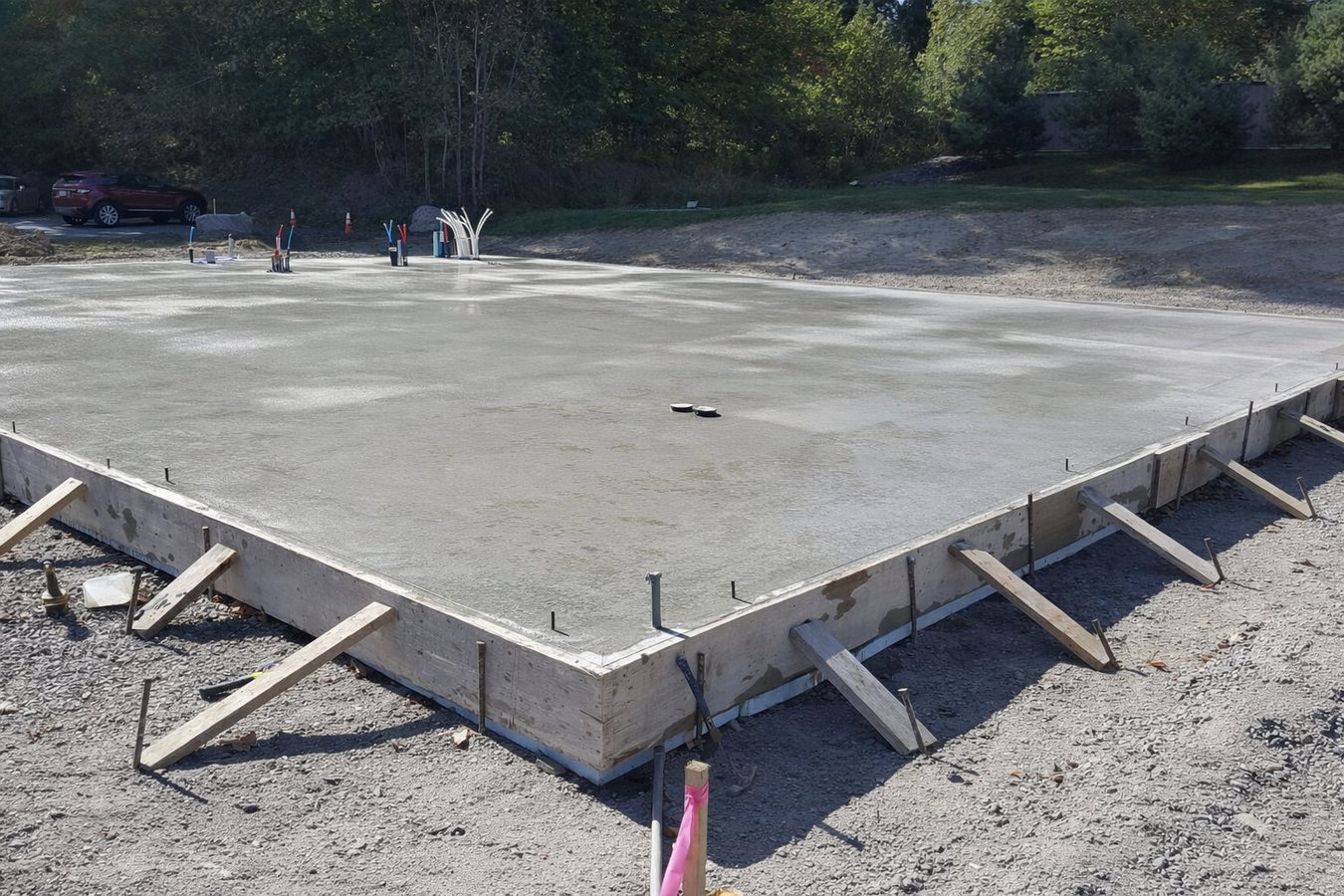
Your foundation is the part of your home you never see - but it holds everything up. We build concrete slab foundations in Hesperia the right way: proper soil prep, seismic-grade steel, and permits handled from start to finish.
Slab foundation building in Hesperia means grading the site, compacting the desert soil, laying a moisture barrier and gravel base, placing seismic-grade steel, and pouring a four-to-six-inch concrete slab - most residential jobs take three to five days of active work once the permit is approved.
If you are building a new home, an ADU, a workshop, or a room addition on a Hesperia lot, the slab foundation is the first permanent step - nothing else can begin until it is poured, cured, and inspected. The High Desert soil here is different from what you find in coastal California: sandy, sometimes mixed with expansive clay, and sensitive to the dramatic swings between summer heat above 100 degrees and cold winter nights. If that ground is not prepped correctly, you will see cracks and settling within a few years.
Many homeowners who call us about slab foundations also need foundation installation work for additions or replacement projects on existing structures. Whether it is a fresh build on a raw lot or a new concrete base tied into an existing home, the process starts the same way: a site visit, a written estimate, and a permit pulled before a single shovel hits the ground.
Small hairline cracks in a concrete floor are normal. But if you can catch a crack with your fingernail - roughly a sixteenth of an inch wide or more - or if you see diagonal cracks running from the corners of doorways, the slab may have moved. In Hesperia, sandy desert soil that dries out during drought years can compact beneath the slab and cause exactly this kind of settling. Waiting makes the movement worse.
When a slab settles unevenly, the walls above shift with it. If doors that used to open freely now stick or drag, or if gaps have appeared between window frames and the surrounding wall, the foundation underneath may have moved. This is especially common in older Hesperia homes built during the fast-growth 1980s and 1990s, when soil prep was not always thorough.
Place a marble on your floor and watch where it rolls. A small slope is normal, but if it rolls quickly in one direction or you feel a noticeable dip when walking barefoot, the slab below may have settled. In the High Desert, this can happen when soil beneath the slab dries significantly during a drought year and compresses under the weight of the home.
If you have purchased land in Hesperia and are ready to build, the slab foundation is the first step - everything else waits until it is poured, inspected, and cured. Many active lots here are still raw desert ground with no prior grading or utility prep, which means more site work before the pour. The sooner you start the permit process, the sooner construction can begin.
We handle slab foundation work for new homes, room additions, detached garages, ADUs, and accessory structures throughout Hesperia and the surrounding High Desert. Every project starts with a site visit to assess your specific lot, check soil conditions, and give you a written estimate that covers everything - no hidden line items when the crew shows up. For homeowners who need more than just a slab, we also build full foundation installations for new construction and replacement projects where the scope goes beyond a standard flatwork pour. And when a project requires deeper structural support before the slab goes in, our concrete footings work ensures load-bearing walls and columns have the solid base they need.
Our crews know the City of Hesperia permit process, the soil conditions across different parts of the valley, and the heat management steps that matter when you are pouring concrete in the Mojave. We pull the permits, handle the inspection scheduling, and do not pour until the city inspector has signed off on the steel placement. That process protects you - it means an independent set of eyes has confirmed the work before it is buried forever.
Best suited for homeowners building on a vacant Hesperia lot who need a full slab from raw ground to final inspection.
Designed for homeowners adding square footage to an existing home who need a new concrete base tied into or matched to the current foundation.
Right for homeowners building an accessory structure - garage, workshop, or accessory dwelling unit - that needs its own permitted concrete base.
For homeowners with existing slabs showing cracks, settling, or soft spots who need targeted repair before problems grow.
Hesperia sits at roughly 3,200 feet in the Mojave Desert, and the ground here behaves differently than soil in most of Southern California. Sandy desert soil compacts unevenly, and clay pockets in some parts of the valley swell when rain comes and shrink back when the ground dries. Both conditions put stress on a slab if the base is not prepared correctly. Summer temperatures that regularly top 100 degrees also mean concrete poured carelessly during the heat of the day can crack before it even finishes curing. A contractor who has only worked in the San Fernando Valley or the coastal Inland Empire has not dealt with these variables directly. Hesperia-specific experience matters here in a way that does not apply to most of California. The American Concrete Institute publishes specific guidance on hot-weather concrete placement that our crews follow on every summer pour.
Hesperia is also one of the fastest-growing cities in San Bernardino County, which means the city's Building and Safety Division is busy. Permit timelines for foundation work can run one to three weeks, and scheduling inspections requires knowing how the city's review queue works. We serve homeowners across Hesperia, and we regularly do foundation work in neighboring Victorville and Apple Valley as well, where similar soil and permit conditions apply. If you want more context on what makes the High Desert different for concrete work, the California Geological Survey has detailed information on desert soil behavior across the Victor Valley region.
We reply within one business day and schedule a visit to your lot - not a phone quote. We check soil conditions, measure the area, confirm access for concrete trucks, and give you a written estimate that covers everything before you commit to anything.
We handle the permit application to the City of Hesperia's Building and Safety Division. Plan on one to three weeks for approval depending on current city workload. We track the status and keep you informed - you will know your permit number before we schedule the crew.
Once permitted, we grade the site, compact the soil, lay the gravel base and moisture barrier, and place the seismic-grade steel reinforcement. Work pauses for a city inspection before any concrete goes in - that inspection is your independent confirmation the job is being done correctly.
After inspection approval, the concrete truck arrives and we pour. Summer jobs start at dawn to beat the heat. We keep the surface moist for several days during curing. Plan on at least seven days before framing begins, and expect a final city inspection before the permit closes out.
We visit your lot, assess the soil, and give you a written estimate - no obligation. We also handle the permit so you do not have to navigate city paperwork alone.
(760) 456-4930We pull a permit from the City of Hesperia Building and Safety Division on every foundation job - no exceptions. That means a city inspector reviews the steel placement before any concrete is poured, giving you a documented, independent confirmation that the work was done correctly. Unpermitted foundation work can stop a home sale and requires costly remediation.
Hesperia sits near the San Andreas and Helendale fault systems, and California's building requirements for this seismic zone call for specific steel quantities and placement patterns. We build to those standards on every slab - not the bare minimum, but the reinforcement that actually gives your home structural protection during ground movement.
Concrete poured carelessly on a hot afternoon in the Mojave can surface-crack before it sets. We schedule summer pours for early morning, use the right water-to-mix ratio for desert heat, and keep the slab moist during curing. The American Concrete Institute publishes hot-weather placement guidelines that define exactly how this should be handled - and we follow them.
Hesperia covers more than 70 square miles, from newer subdivisions in the north end of town to large horse-property lots on the west side and established neighborhoods near Main Street. We work across the entire city and know how soil conditions, access routes, and permit offices vary across different parts of the valley.
Every slab we build in Hesperia goes through the same process: a site visit, written estimate, permitted work, city inspection, and a properly cured foundation before framing begins. That process is what separates a slab that lasts 50 years from one that starts showing problems in five.
For full foundation projects on new structures or replacements that go beyond standard slab flatwork, including formed walls and deeper excavation.
Learn moreWhen load-bearing walls, posts, or columns need deep, reinforced footings poured before a slab or structure can be built on top.
Learn morePermit slots and contractor schedules in the High Desert fill up fast - contact us now for a free site visit and written estimate before the next inspection window closes.